( Creative development studio, Auckland )
Creative development for the parts that make the idea work.

Creative development for studios, designers and teams with something more ambitious than a standard build.
( Selected explorations )
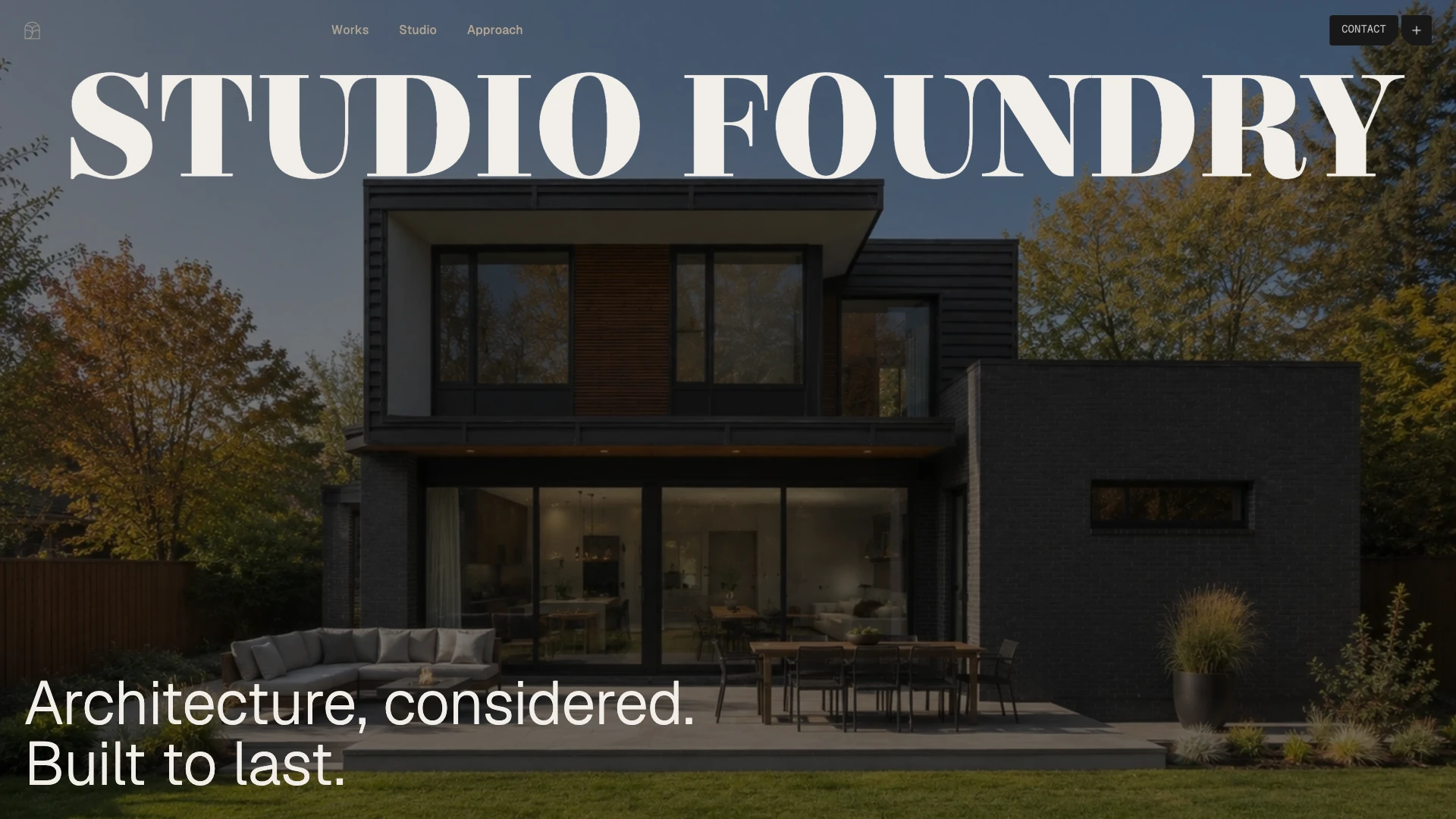
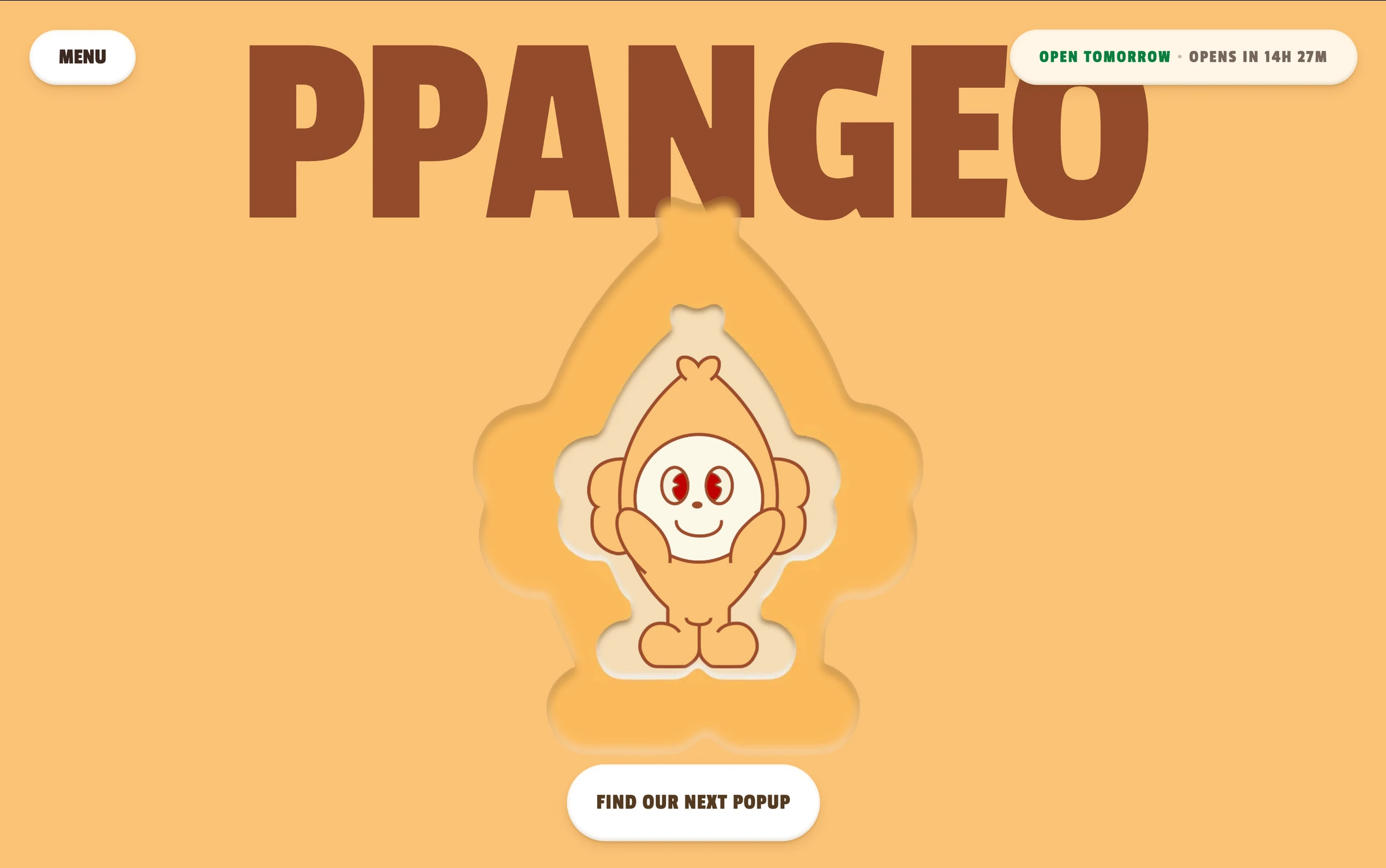
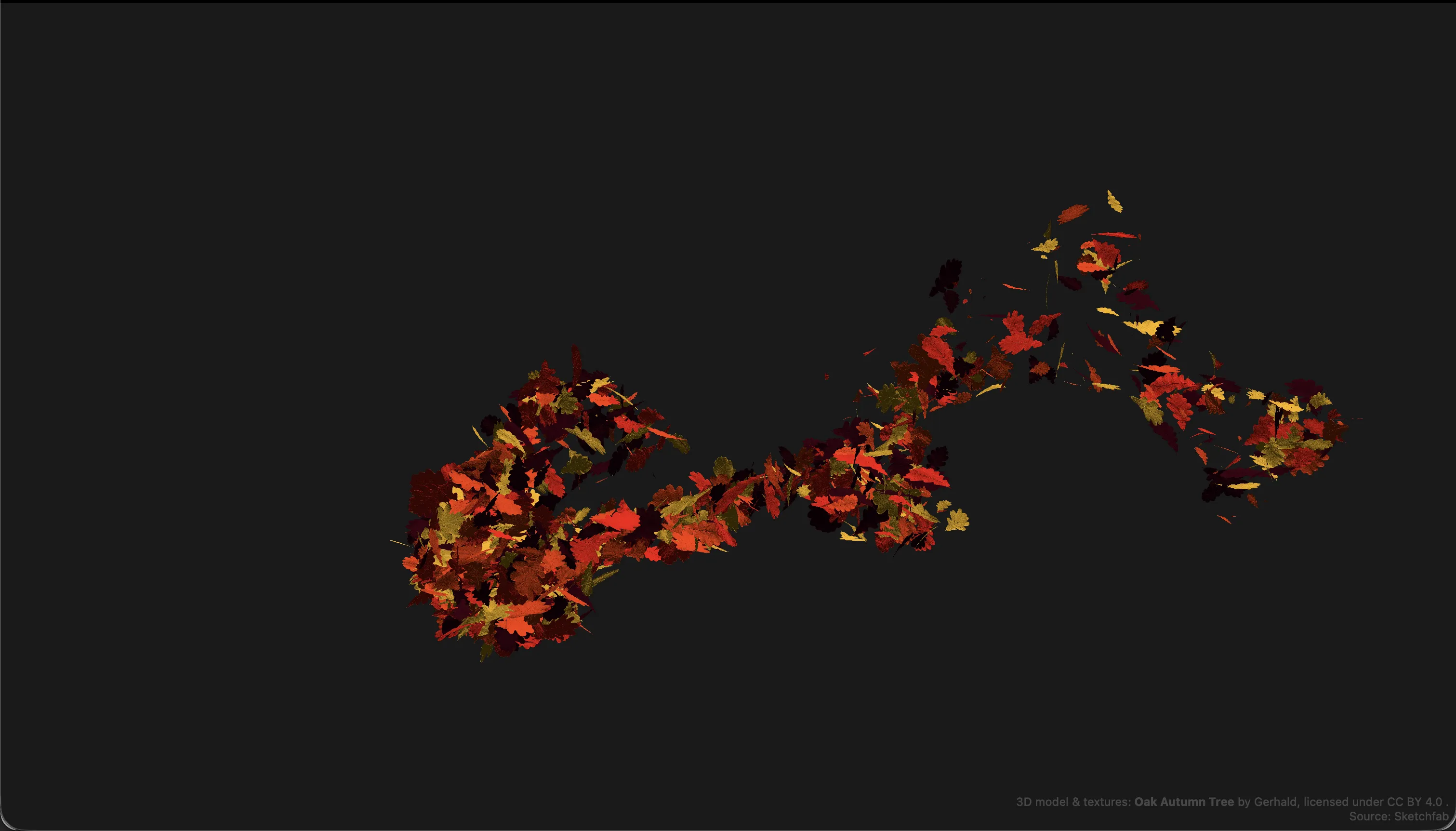
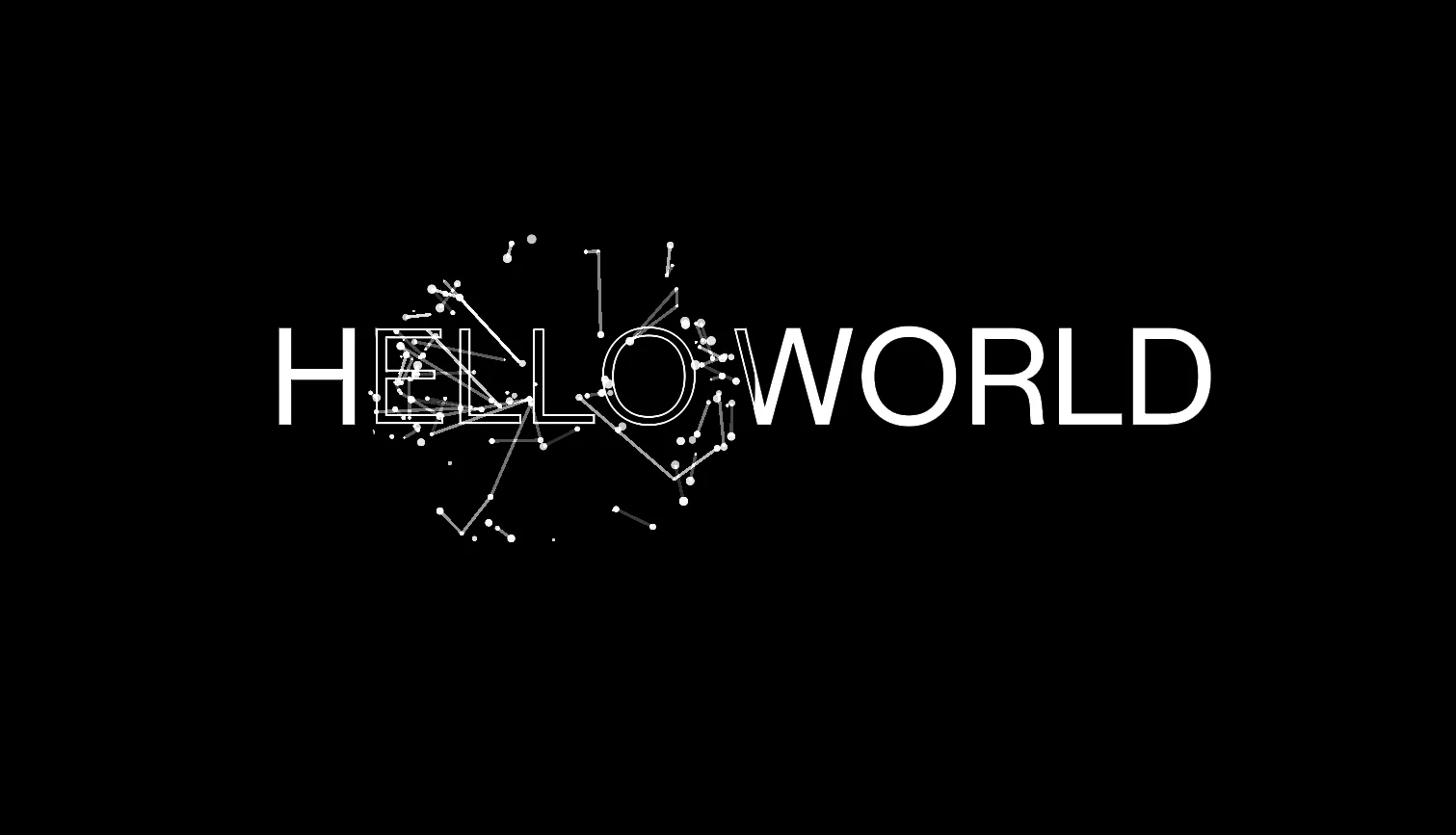
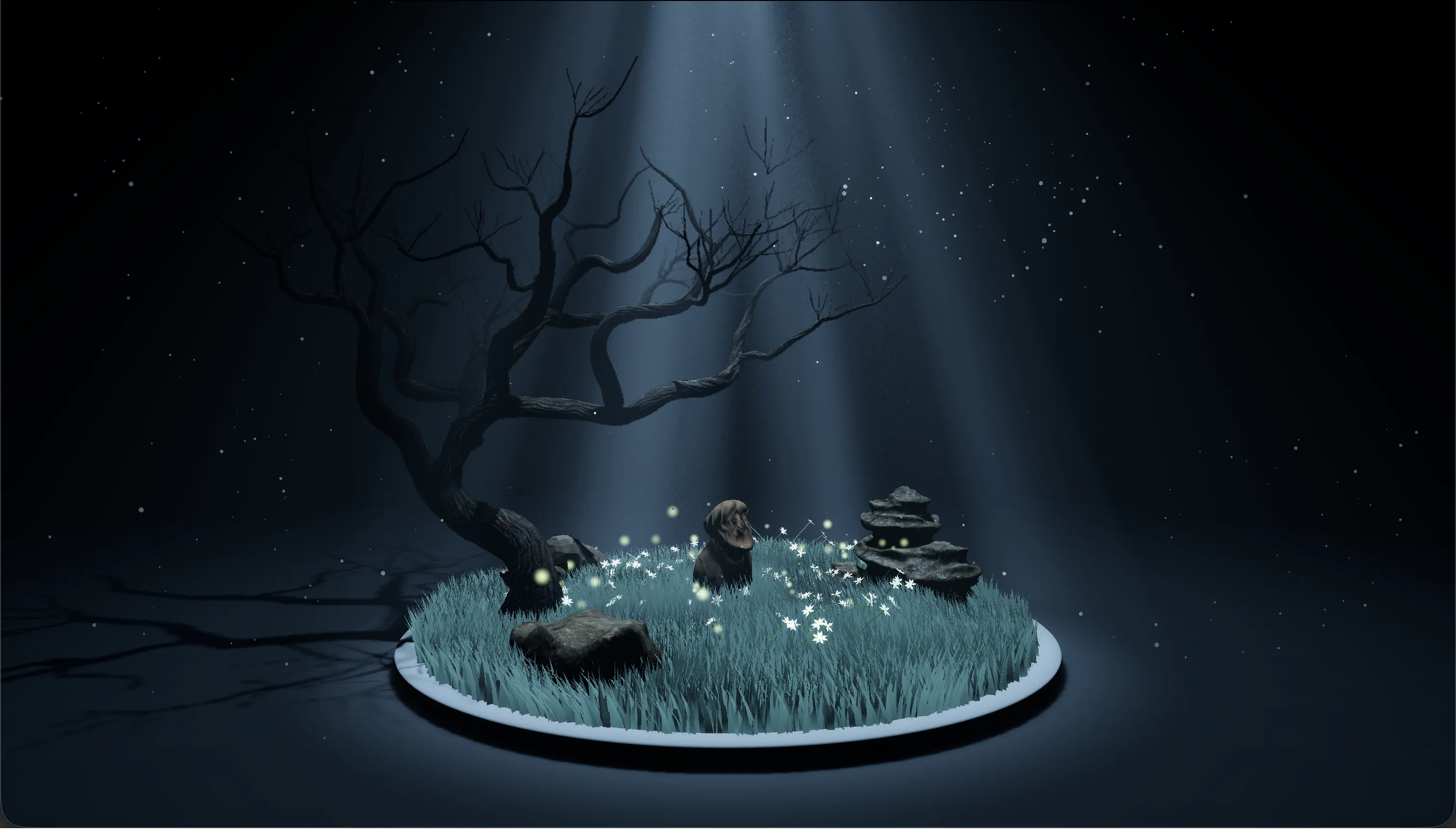
Motion Exploration
Self-initiated work exploring motion, interaction and frontend craft.
( Ways to work together )
Four ways in
Hand us the full build, bring us in for the interactive layer, or slot us into a team that already exists.
Full build
Approved Figma carried into a responsive production frontend without losing the typography, spacing or interaction that made the design work.
Interactive layer
GSAP, Three.js, WebGL and custom interaction added to an existing design or build, fitted into your codebase rather than around it.
Prototype
A working proof rather than a video — a low-risk way to find out whether an ambitious mechanic is buildable before anyone promises it to a client.
Embedded / overflow
An extra pair of hands on an existing build, working inside your repository, your branch strategy and your review process.
( The arrangement )
Your client stays your client
- Your relationship stays yours
- We work through your team and never go around you. If it is useful for us to join a technical call, we do it at your invitation, under your name and on your terms.
- We work in your tools
- Your Slack or Teams, your tracker, your repository, your branch and review conventions. You should not have to adopt ours to work with us.
- Nothing is published without permission
- No badge in the footer, no link back, and nothing in our own work section without your written say-so. There is no expiry on that.
- Credit is your call
- Fully white-label, named as a collaborator, or decided once the project has landed. All three are normal, and we ask rather than assume.
( How it runs )
From design file to launch
Step 01
Brief
Send the design, the scope and the constraints — the stack, the browsers you support, the date it has to be live and who signs off.
Step 02
Align
We confirm the approach, the timeline and what gets delivered. Nothing starts until that is agreed in writing.
Step 03
Build
We work inside your tools, with regular review points and a staging link early — the interaction gets felt while there is still time to change it.
Step 04
Handover
QA, documentation and a clean production handoff: the repository, the deployment setup and the CMS, with a walkthrough for whoever maintains it.
( Working standards )
What working with us involves
Where we work
- Your repository, or a fresh one handed over at launch
- Your Slack, Teams or tracker
- Your branch strategy and review process
- Astro, Next.js, TypeScript, Three.js, headless CMS such as Sanity
What we test
- Current Chrome, Safari, Firefox and Edge
- Responsive testing across phone, tablet and desktop
- Accessibility built toward WCAG 2.2 AA
- Performance tested throughout development, not audited at the end
- Interactive experiences profiled across representative devices
What you get back
- Documentation for whoever inherits it
- Deployment and CMS setup, configured and explained
- A clean production handoff with no dependency on us
( Honest fit )
Who this is for, and who it isn't
A good fit
- Branding agencies, design studios and creative agencies
- UX/UI studios and teams with strong design capability
- Campaigns that need real interactive development
- Teams needing frontend overflow on work already in motion
Probably not us
- WordPress maintenance
- Cheap template builds
- General IT support
- Backend-heavy application development
( Our answers )
What studios ask first
- Can you work fully white-label?
Yes, and it is the default. Nothing carries our mark unless you decide it should — no badge, no link back, nothing posted while the project is live.
White-label means white-label. Our own work section stays shut on your project unless you tell us otherwise, in writing.
- Will you speak to our client?
Not unless you want us to. Everything runs through you by default, and we never go around you.
Some agencies would rather we sat in the technical call as part of their team, because it is faster than relaying answers through a producer. That works too — at your invitation, under your name.
- Can you work in our existing repo?
Yes. A large part of frontend production here is picking up a repository we did not start and matching the conventions already in it.
Tell us the stack in the first message. Day to day we work in Astro, Next.js, TypeScript and Three.js, with headless content systems such as Sanity.
- Can you build directly from our Figma?
Yes — that is the common case. What helps is having the states that matter drawn: hover, empty, error, mobile.
Where the design is still moving, tell us which parts are settled and which are not. We would rather know than guess.
- Can you help with only the WebGL or motion?
Yes. The interactive layer is an engagement of its own — your team builds the site, we build the scene, the scroll sequence or the transition that keeps not quite working.
It fits into your codebase rather than sitting beside it.
- Can you sign an NDA?
Yes. Send yours with the first email and we will sign before anything is shared.